

IMPORTANCE OF SLEEP
Sleep plays a vital role in your child’s physical and mental well-being. It supports brain development, learning, memory, mood regulation, and overall health. A good night’s sleep helps your child focus better during the day, improves behaviour, and enhances emotional regulation.
NEURODIVERSITY AND SLEEP
Research indicates that 40-80% of children diagnosed with autism spectrum disorder experience sleep problems such as difficulty falling asleep, staying asleep, waking early, and being a restless sleeper. The challenges can be related to neurological differences such as:
Having irregular production of melatonin
Sensory sensitivities that relates to sensitive to light, sound, texture, temperature making it difficult to fall asleep and stay asleep
Anxiety and stress related to difficulties with transitions from being awake to asleep, they may also struggle to calm down with heighted emotions this becomes more challenging
Medication side effects can cause sleep challenges especially if taking a stimulant medication
Social and emotional development as children with autism often struggle to wind down and can take their brains longer to wind down to be ready for bed.
Research shows that up to 70% of children diagnosed with attention deficit hyperactivity disorder experience challenges with sleep that can exacerbate the symptoms of ADHD. The challenges can be related to hyperactivity and restlessness, racing thoughts, delayed sleep onset (takes longer to fall asleep), medication side effects, co-occurring conditions such as sleep apnea or restless leg syndrome, feelings of anxiety and stress, increased sensory sensitivity, mood regulation challenges and difficulty with transitions.
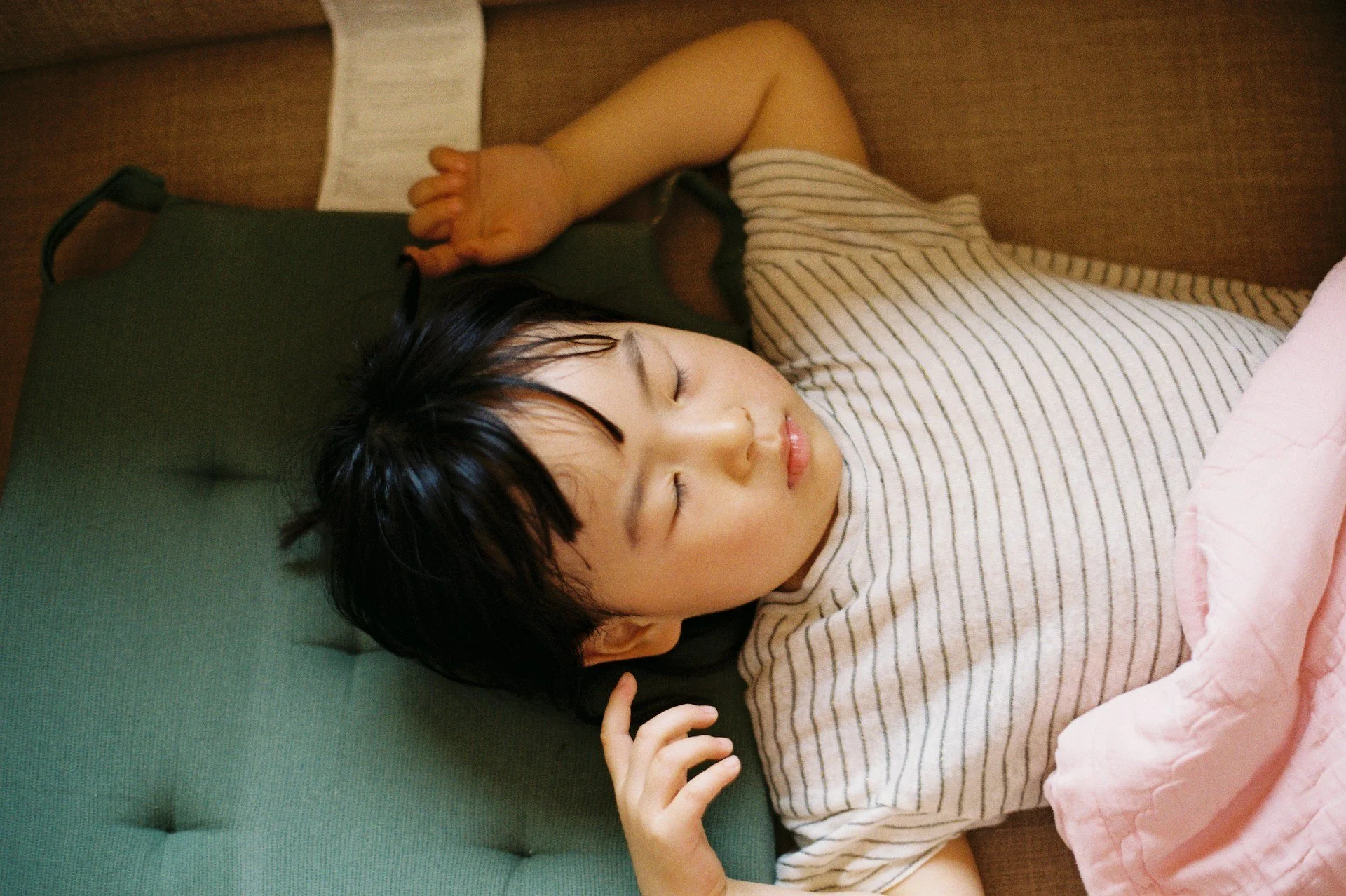
LONG TERM IMPACTS OF POOR SLEEP
Poor sleep can significantly impact a child’s overall development, leading to cognitive and academic difficulties such as reduced memory, attention, problem-solving skills, delayed brain development, and lower school performance. It also contributes to emotional and behavioural challenges including anxiety, irritability, impulsivity, difficulty regulating emotions, and increased stress and risk-taking behaviours. Socially, children may struggle with interactions, communication, and may withdraw from peers. Physically, poor sleep can weaken the immune system, increase the risk of weight gain, and delay growth and developmental milestones due to disrupted hormone release.
SLEEP HYGIENE TIPS
Create a consistent sleep schedule – set a regular bedtime and wake up times and keep to this everyday including weekends.
Create a relaxing bedtime routine – a predictable routine to signal to the body that it is time to wind down. This might be calming music to slow the body down or having a warm bath and reading a story. Making it the same each day is important.
Limit screen time before bed – avoid electronics for an hour before bed as the blue light from the screen interferes with the production of melatonin making it hard for you to fall asleep.
Create a comfortable sleep environment – ensure all sensory needs are met when trying to sleep is the room dark, quiet and cool?
Create a positive sleep association – associate that the bed is for sleeping (and occasionally quiet activities such as reading). Avoid using bed for playing.
Address fears related to sleep – address any fears related to nightmares and then create routine of saying goodnight to everyone so child knows they are safe before getting into bed.
If you need any further assistance and think your child could benefit from seeing an Occupational Therapist, please get in contact with us.