
Downloads and Resources
STARTING STRONG
ROUTINES & REGULATION
As families settle into the new year, routines play a powerful role in helping children feel safe, organised, and ready to learn. Structured routines and co-regulation strategies can support emotional wellbeing and independence across home and school settings.
As children settle, predictable routines and co-regulation strategies help build a sense of safety, independence, and readiness for learning. This term, we’re focusing on:
Establishing daily rhythms (e.g. morning, transition, bedtime)
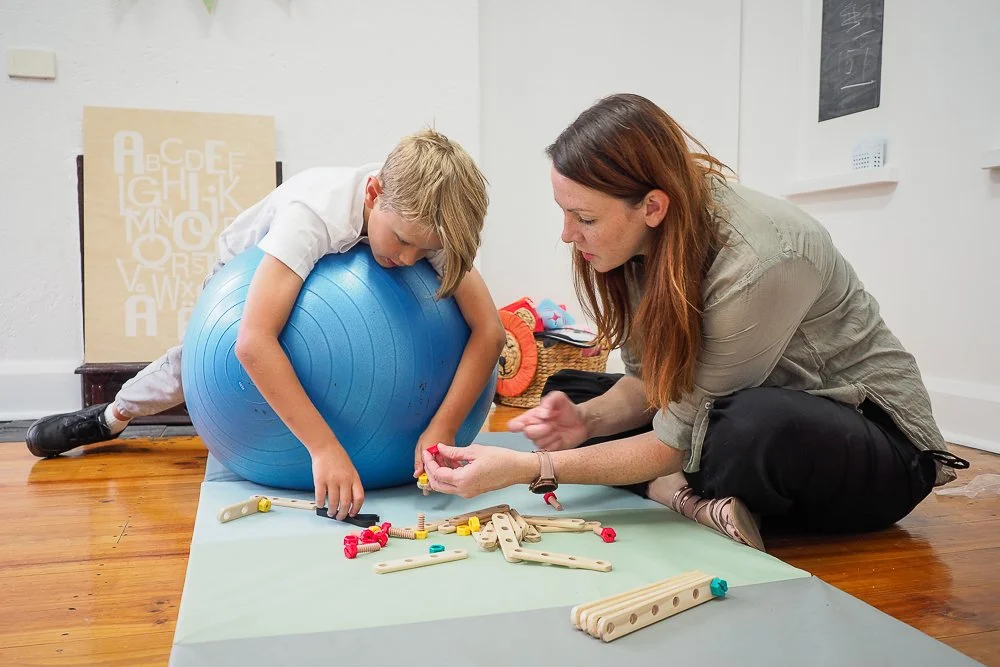
Supporting emotional regulation through sensory strategies
Building co-regulation between adults and children
Creating calm spaces and visual supports
Whether at home or school, small adjustments to routine can have a big impact on how children feel and function.
Why it matters: Predictable routines help children anticipate what’s coming next, reduce anxiety, and build confidence in daily tasks. When paired with regulation tools, routines become a foundation for calm, connected transitions.
Download our free ideas for Regulation Breaks Information Sheet.


TIPS AND TRICKS FOR SCHOOLS
Here are a few simple ideas to support the students in setting and working towards their goals this year:
Visual Schedules
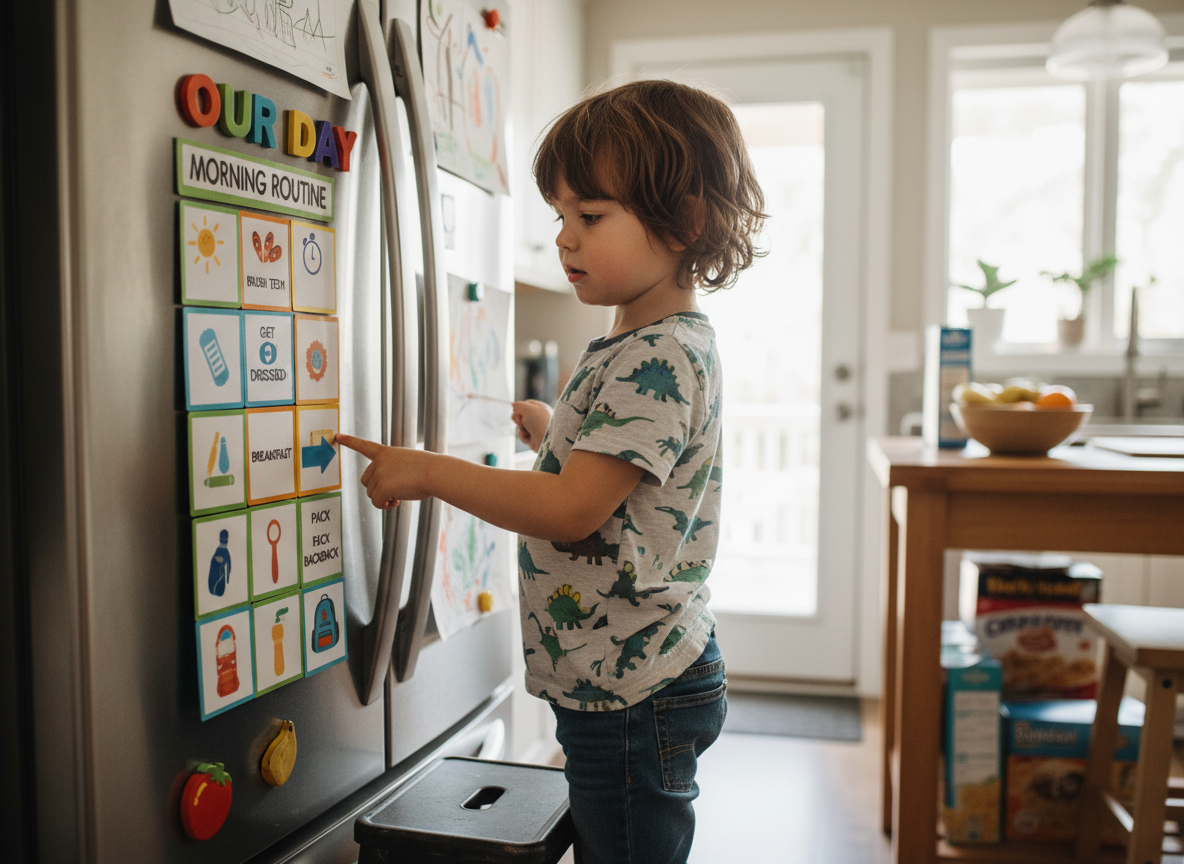
Use icons or photos to outline the day’s structure include any sensory breaks and transitions into this schedule as well. These are important during the transition back to school because they provide clear, predictable structure after the disruption of school holidays. They help children understand what is happening, what comes next, and when activities will end, which reduces anxiety and uncertainty.

Transition Toolkits
Provide choices during transitions by offering simple, structured choices helping them feel a sense of control and predictability. Some examples might be “Would you like to walk quietly or do wall push-ups before we go to assembly” supporting your child to gain the input they need to maintain their regulation.
Co-Regulation Stations
Set up a small area with calming visuals, movement options, and sensory tools. These stations provide a safe, predictable space where students can access calming visuals, movement activities, and sensory tools with adult support. These stations help children regulate their emotions and bodies during transitions and build the foundations for independent self-regulation within their school environment.

Staff Scripts
Use consistent language to acknowledge a child’s feelings and guide them through regulation and transitions (e.g. “Let’s get ready together” or “I can see this feels hard—let’s find a calm space”). Consistent scripts are important because they provide predictability, emotional safety, and support your child to understand expectations and feel supported across all environments within the school setting.
OT ACTIVITY
VISUAL SCHEDULE
Create a visual checklist with steps like “wake up,” “get dressed,” “eat breakfast,” and “choose a calming strategy.” They are most effective when used consistently.
How it works
Clearly displayed, have photos of your child completing the different activities and have choice activities such as 5 minutes of play built into them. After a six-week school holiday break, visual schedules help re-establish routine and predictability by showing what is happening now and what is coming next, reducing anxiety of the unknown. They support independence, attention, and emotional regulation by lowering language and cognitive demands to help your child feel prepared and safe as they adjust back to school expectations. Starting the school routine a few weeks before school goes back can be helpful to ensure they are ready when school returns, this might mean going to bed earlier and getting up earlier like on school days.
Tip: Keep routines consistent but flexible but allow space for choice and autonomy within structure.
Download our free visual schedule here. Cut out the images and let your child help learn what step is next in their morning routine.
Visual Schedules are a great tool for returning to school.
CAREGIVER / PARENTS CORNER
Transition and Regulation Toolbox
As the school holidays draw to a close, spending time with your child to create a regulation or transition toolbox can help prepare them for the changing demands of returning to school. Working together to choose strategies and tools (such as movement break ideas, calming activities such as bubbles or deep breathing, or sensory tools such as a chew necklace, focus tools for your hands and playdough or slime) helps children feel involved, understood, and more confident about the transition. Your child will also love spending time with you before the busyness of the school routine returns. Having this toolbox ready is important because it provides familiar, predictable supports that can be used when routines, expectations, sensory and cognitive demands increase at school, supporting regulation, independence, and readiness to learn.
Why We Suggest This?
Having this toolbox ready is important because it provides familiar, predictable supports that can be used when routines, expectations, sensory and cognitive demands increase at school, supporting regulation, independence, and readiness to learn.
Top Tip!
Use these tools following a busy day at school, in the car is a great way to support the transition home and or after school.

Last term, we introduced a simple morning chart for a 6-year-old who was struggling with transitions. With just four steps and a choice of calming strategies, mornings became smoother. The child began initiating the routine independently, and even created their own ‘calm card’ to use at school. The family reported fewer big reactions and more confidence. Small tools, big impact.
SUCCESS STORY
FREE RESOURCES

VISUAL SCHEDULE