Downloads and Resources

Social skills involve understanding and managing social interactions, including communication, empathy, and cooperation. Developing these skills can help your child build meaningful relationships.
It is important to remember when discussing social skills that friendships and interactions can look different from one person to another. While some people view friendship as someone to walk and talk with, others may view friendship as someone to sit with when reading a book in silence. We encourage you to think of friendship as any meaningful relationship that helps to build confidence, self-esteem and positive experiences.
During our OT sessions there are many ways that we assist your child to develop their social skills, however, we always find that skill develops faster with consistency and practice at home and school!
SOCIAL SKILLS
BUILDING FRIENDSHIPS AND INTERACTING


TIPS AND ACTIVITIES
Here are a few simple ideas to support your child in setting and working towards their goals this year:
Role-Playing
Practice common social scenarios through role-playing. This provides a low-pressure environment where your child can practice their social skills and develop their social understanding with your guidance.

Emotion Cards
Use cards with faces displaying different emotions on them. This can help your child to recognize the facial ‘clues’ that others display about the emotions that they are feeling. Try to use cards with your or another child’s face as its easier to develop these skills when looking at someone’s face rather than cartoon faces.

Play Dates
Arrange playdates in low pressure and familiar environments to provide opportunities for social interaction.

Body Language Match
Demonstrate body language signs that people use when feeling different emotions and help your child to identify the body ‘clues’ that help identify others’ emotions.
OT ACTIVITY
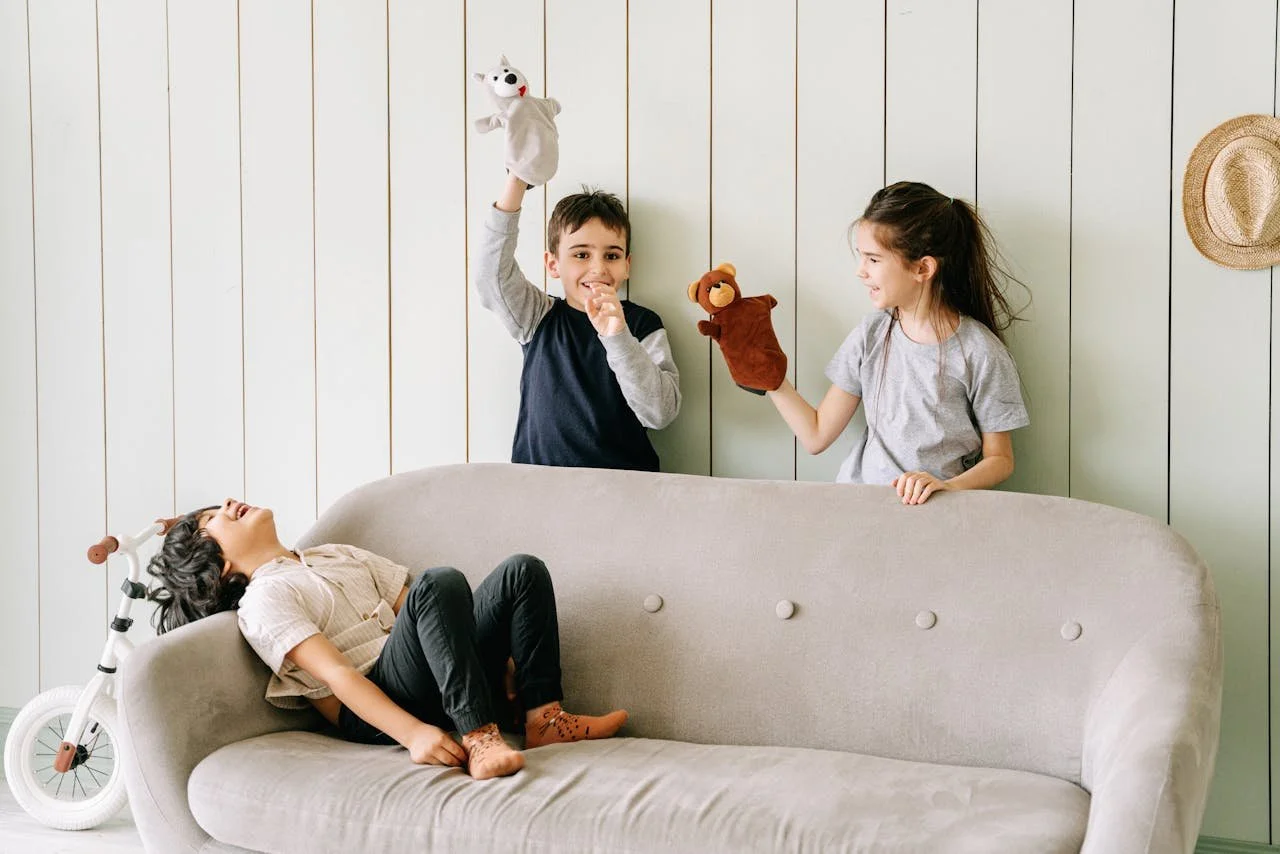
SOCK PUPPETS
Choose a pair of old socks and encourage your child to add eyes and a nose. Have your child use one sock puppet and you can use the other! This is a great way to allow your child to explore common social situations in a low-pressure environment. Some common social situations that you could act out with your new sock puppet friends include meeting someone new, asking to play with a new friend, adapting the rules of a game to include a friend’s idea, and asking someone about their interests. Puppet play allows you to model important social skills involved in making and keeping meaningful relationships in a low-pressure situation.
How can you help your child develop these skills as a parent? We’re so glad you asked!
Model Positive Behaviour:
Children learn first and foremost from what they see and experience around them, demonstrate positive social interactions for your child to emulate.
Encourage Empathy:
Through the activities provided you can help to teach your child to recognise, understand and respect others’ feelings
Highlight social themes when reading books:
When reading those night-time stories take time to pause and encourage your child to identify the body ‘clues’ that the characters are displaying (e.g. Bluey is sad, we can tell because her mouth is turned down, her eyebrows are low, and her head is tipped down).
Model turn-taking and sportsman ship:
When playing games at home encourage turn-taking, appropriate winning and losing and sportsman like behaviour. These skills translate to effective play skills during peer playtime.
Encourage playdates and low-key social time:
Often for our little ones still developing their social skills interactions that require sitting and talking can be daunting. Instead try scaffolding play to encourage social time in a low-pressure environment. Often providing an activity (such as painting, drawing, craft, etc) to be the focus allows for social interaction to happen naturally.
CAREGIVER / PARENTS CORNER

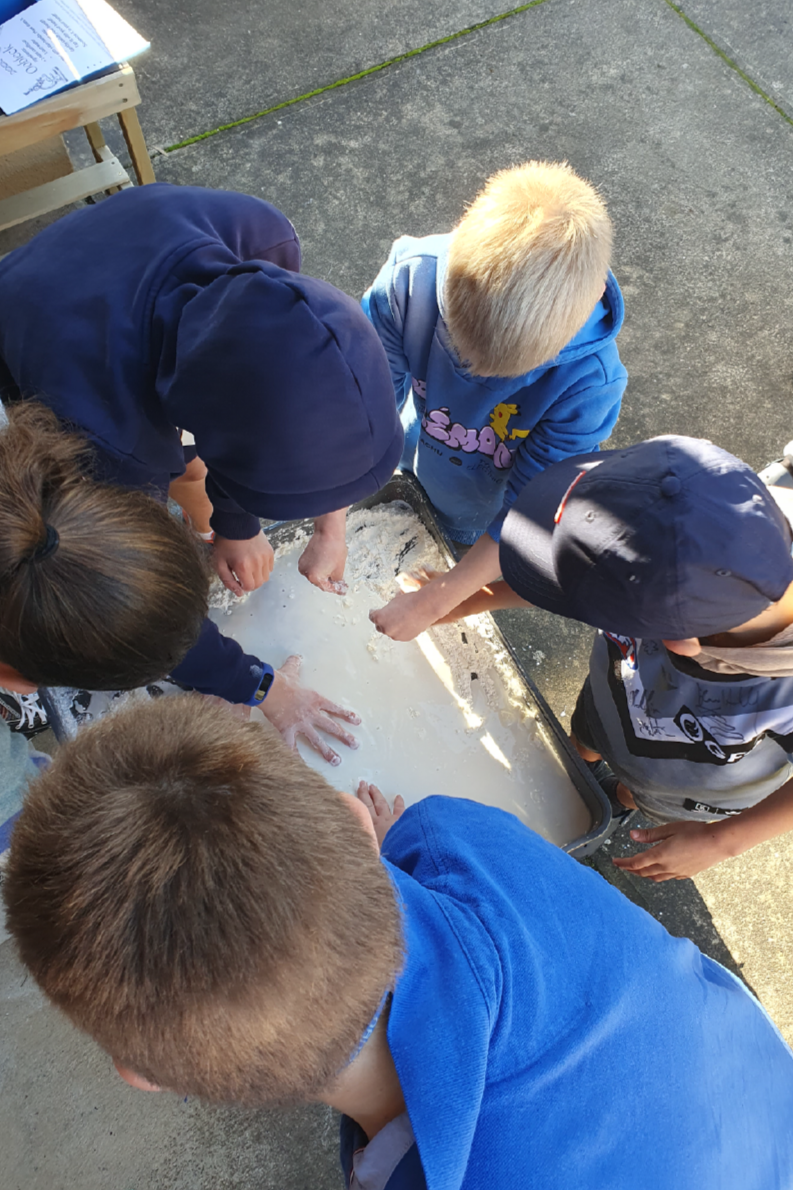
This month, we’re celebrating the amazing progress made by all our wonderful little friends who joined our school holiday OT workshops! It was such a joy to welcome new faces and see familiar ones return, full of energy and ready to dive in.
Each workshop offered something unique, whether it was cooking up delicious treats, getting creative with craft, or exploring calming strategies in our mindfulness group. Through these activities, children worked on a range of important life skills in a fun and supportive setting. With guidance from our OTs, children practiced turn-taking, following steps, managing their emotions, and working as part of a team. For some, it also meant trying something new, initiating play or conversation, or learning how to stay calm and focused in a busy group environment.
Our therapists used strategies to meet each child’s individual needs, encouraging them to stretch their flexible thinking, connect with peers, and build confidence in group settings. These experiences not only supported social and emotional development, but also helped children gain valuable skills they can use at home, at school, and in the community. We used our social thinking methodology which is an area that each child is familiar with from their OT sessions how allowed us to further develop and consolidate their understanding.
We’re so proud of everyone’s achievements and can’t wait to see how these friendships and skills continue to grow in future groups!
Check out our Instagram and Facebook to keep up to date when the next holiday program is as well as see what fun we get up to at previous ones.
SUCCESS STORY