


Downloads and Resources

SENSORY PROCESSING - UNDERSTANDING AND SUPPORTING CHILDREN IN THEIR HOME AND SCHOOL ENVIRONMENT
Sensory processing refers to how our brains interpret and respond to stimuli from our environment, such as sights, sounds, textures, smells, and movement. For many children, these sensory experiences can be overwhelming or difficult to manage, impacting their engagement in their daily activities, both at home and in school.
Children with sensory processing challenges may be overly sensitive to certain stimuli (hypersensitivity) or may seek more sensory input (hyposensitivity). For example, a child may cover their ears in response to loud noises, avoid certain textures of food or clothing, or seek out constant movement by spinning or jumping. These reactions can affect their social interactions, learning, and emotional regulation.
Fortunately, there are many strategies that parents and educators can implement to help children regulate their sensory experiences. This newsletter provides some practical tips to support sensory processing needs at home and at school.




TIPS AND ACTIVITIES
Here are a few simple ideas to support your child in setting and working towards their goals this year:

Create a Sensory Friendly Space
Find a quiet, calming area at home where the child can retreat to when feeling overwhelmed. This space could include soft lighting, noise-cancelling headphones, sensory toys, or a weighted blanket to provide deep pressure input, which can be soothing for children with sensory sensitivities. It is important this space has been made with the child to ensure it matches their own personal sensory preferences.

Incorporate Sensory Breaks
Sensory breaks throughout the day can help children reset and manage sensory overload. Encourage activities like stretching, deep breathing, jumping on a trampoline, or swinging to help the child release excess energy and recalibrate their sensory systems. Building these into a child’s routine can be highly beneficial in allowing a child to feel safe as they then become predictable.

Establish a Routine
Predictable routines can help children feel more secure and reduce sensory overload. Use visual schedules or timers to support transitions between activities and prepare the child for what to expect next. Consistency is key in reducing anxiety and promoting self regulation.
Modify Textures and Clothing
For children who are sensitive to touch, consider softer clothing, seamless socks, or items with fewer labels, cutting labels or even wearing socks inside out! Take your child shopping and get them to feel the different tops and pants and ask them what they think feels best to their skin. Giving them choice into their clothing helps build their independence as well. Be mindful of the textures of food as well—some children may prefer food with certain textures, such as crunchy, smooth, or chewy. Gradually introduce new textures in a way that feels comfortable.
OT ACTIVITY
AT HOME
Ideally, children with sensory processing differences require 15 minutes of vestibular (movement of the head) and proprioceptive (heavy muscle) input every 3-4 hours to help keep their body engines and levels of concentration at their optimal state. In between these times, children are encouraged to do 5-minute heavy work activities each hour to “feed” their bodies and brain.
Example activities to continue at home to support a child with sensory processing challenges to regulate their body include:
Create an obstacle course around the house with regular household objects such as couch, chairs, pillows, blankets, providing lots of movement for your child’s body
Play a game of tug-of war with blankets or rope
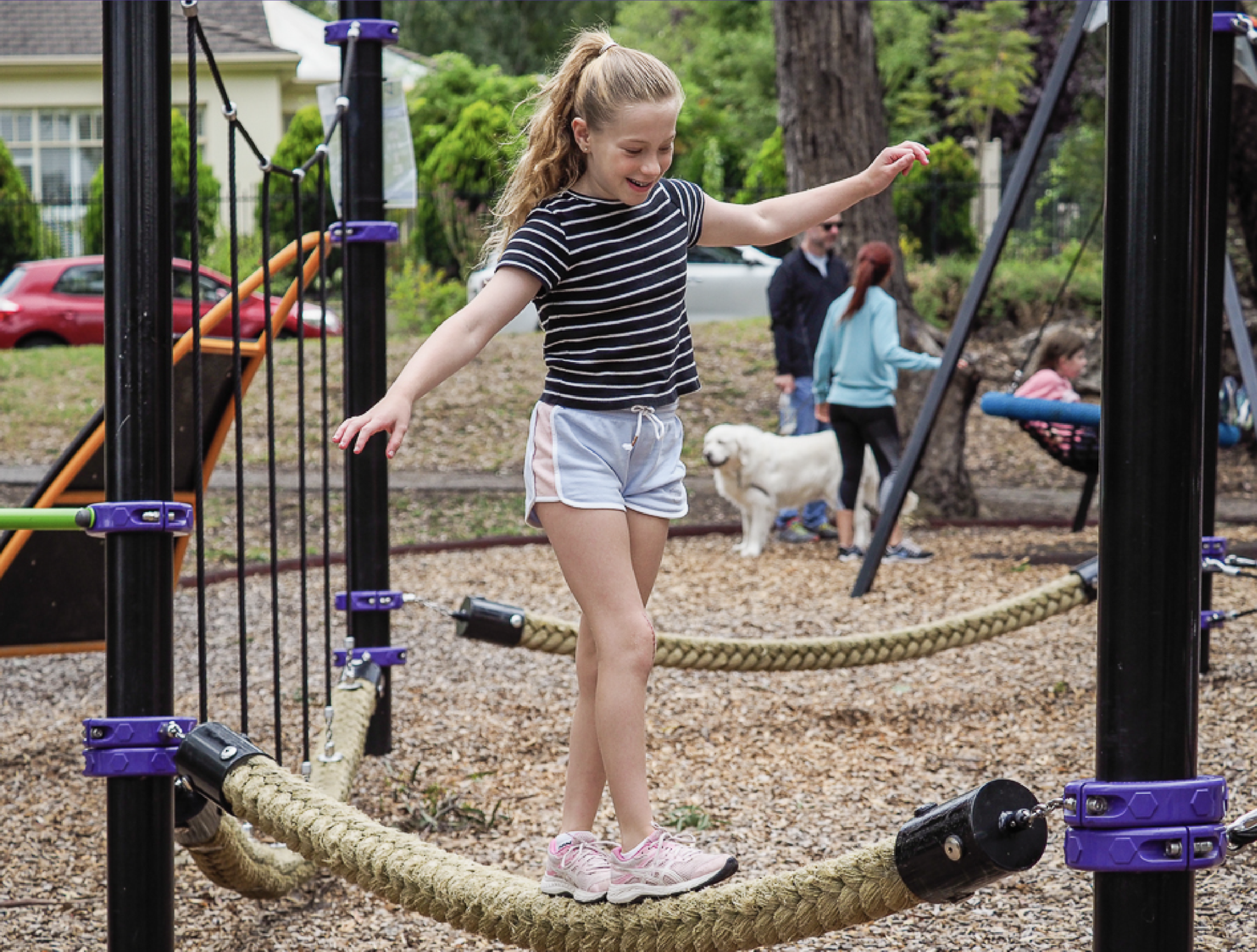
Visit your local park and play on the play equipment, setting your child challenges or obstacles courses to provide lots of heavy muscle input
Rough and tumble play such as wrestling (safely!)
If you have access, play movement games on a trampoline such as Simon Says
If you have access, engage in swinging on a swing set. Set your child challenges such as trying to touch a target
Continue performing these activities for smaller periods of time throughout the day to support in maintaining your child’s regulation.
CAREGIVER / PARENTS CORNER
Open communication with teachers, support staff, and other school staff is essential. By sharing your child’s sensory needs, you can work together to create an environment that supports their sensory processing challenges. For instance, a child may benefit from sitting in a quieter area of the classroom or using noise-cancelling headphones during group activities. They may also benefit from facing the whiteboard to reduce visual stimuli, it is best to talk to the child’s teacher to see if this is possible.
Talk to your child’s educator about these other techniques that can help your child in the classroom:
1. Provide Sensory Tools:
Many children benefit from having access to sensory tools in the classroom. Items such as fidget toys, chewable pencils, or textured seat cushions can help children stay focused and regulate their sensory systems. These tools are often discreet and can be used without drawing attention to the child’s needs.
2. Offer Movement Opportunities:
Some children with sensory processing challenges need frequent movement to stay focused. Incorporating activities like Theraband on chairs, wobble cushions, chair/wall pushups, sitting on fit balls, or doing ‘special jobs’ for the teacher such as collecting printing or erasing the whiteboard, can provide much-needed physical input. Additionally, brief “brain breaks” during lessons can give children a chance to move and reset.
3. Adjust Classroom Lighting and Noise Levels:
Bright fluorescent lights and background noise can be overstimulating for many children. Teachers can try dimming the lights or using natural light when possible. Additionally, noise-cancelling headphones or earplugs can help reduce distractions and support concentration.
4. Provide Clear and Simple Instructions:
For children with sensory sensitivities, processing multiple instructions at once can be overwhelming. Teachers should offer clear, concise instructions and break tasks down into smaller steps to help children manage their workload. Visual aids and written instructions on their desk can also support understanding.
5. Promote Social Skills and Emotional Regulation:
Social situations can be challenging for children with sensory processing challenges, as they may struggle with personal space, loud voices, or unexpected touch. Teachers can teach social stories, role-play situations, and model appropriate social interactions to help children navigate these challenges with confidence.
SUCCESS STORY
Tom and Ivy are two friends that OT Charlotte works with at school. They have been learning this year about their sensory systems and the importance of movement for their brains and body. They have both applied their learning from OT into their classroom, independently taking responsibility for their regulation through the form of movement breaks throughout their school day. Their teacher has allowed them to go out together throughout the day when they notice their bodies are feeling dysregulated and engage in their own purposeful movement breaks. During these breaks, they are completing playground challenges and obstacle courses they have learnt in their own separate OT sessions, allowing them to return into the classroom in a more regulated state.
Awesome work Tom and Ivy!