


Downloads and Resources
SOCIAL SKILLS AND EMOTIONAL LITERACY
As the year winds down, we’re focusing on the social and emotional skills that help children build friendships, express feelings, and navigate group settings. Emotional literacy and social understanding are key to confident, connected learners.
Children who can name their feelings, read social cues, and respond with empathy are better equipped to manage conflict, collaborate, and thrive in relationships. These skills are teachable—and best learned through play, modeling, and everyday interactions.

TIPS AND ACTIVITIES
Here are a few simple ideas to support your child in setting and working towards their goals this year:
Emotion Cards
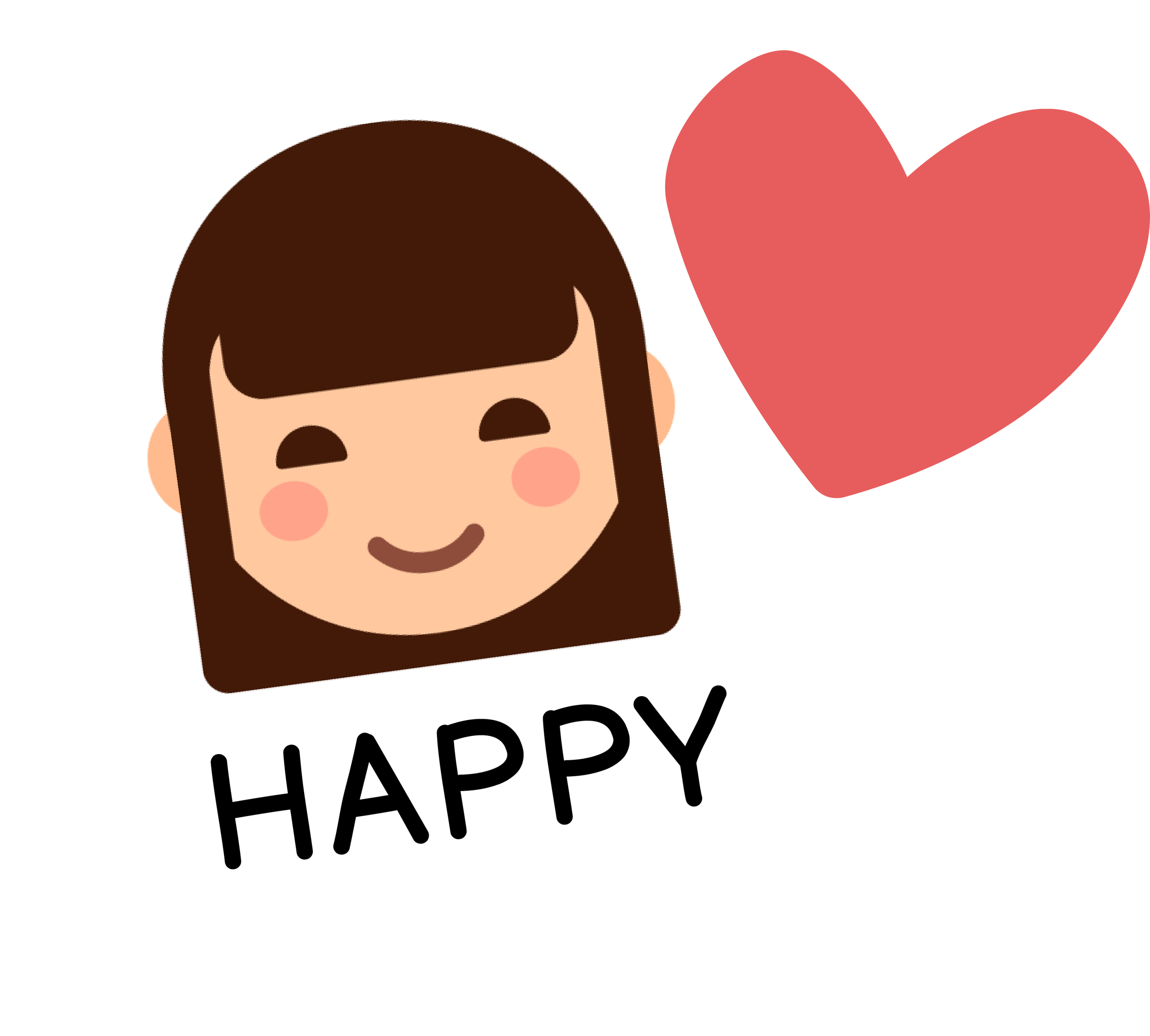
Emotion cards are a powerful visual tool to help children identify, name, and understand their feelings. During story time, pause to ask questions like, “How do you think the character feels?” or “Can you find a card that matches that feeling?” This builds emotional vocabulary and empathy. In daily routines—like getting dressed, transitioning between activities, or mealtimes—emotion cards can prompt gentle check-ins: “Which card shows how you feel about going to school today?” Over time, children learn that all feelings are valid and manageable, and that talking about emotions is a safe and supported part of their day.

Play Turn-Taking Games to Support Patience and Perspective-Taking
Games that involve turn-taking, like board games, card games, or simple back-and-forth activities, are more than just fun. They teach children to wait, watch, and consider others’ actions and feelings. Use language like “Your turn is coming soon” or “Let’s see what your friend chooses” to reinforce patience and perspective-taking. Cooperative games, where children work toward a shared goal, also foster teamwork and empathy. Celebrate moments when children show kindness, flexibility, or thoughtful choices—these are the building blocks of strong social relationships.

Problem Solving
Problem-solving scripts offer children a scaffold for navigating tricky social moments. Whether it’s a toy dispute, a turn-taking challenge, or a misunderstanding with a peer, guiding them through simple, consistent language helps build emotional regulation and conflict resolution skills.
Try phrases like:
“What happened?” (to encourage reflection)
“How did that make you feel?” (to validate emotions)
“What could we try next?” (to promote solution-focused thinking)
These scripts can be role-played during playtime or revisited after real-life moments, helping children internalise calm, constructive ways to respond.

TIPS AND TRICKS FOR SCHOOL
Embed Social Stories and Role-Play into Group Time
Use graded scenarios tailored to developmental levels—e.g., simple cause-effect stories for younger children, and more nuanced social dilemmas for older ones. Incorporate sensory supports (e.g., fidget tools, movement breaks) during role-play to help children stay regulated and engaged. Align stories with functional goals—like transitioning calmly, joining group play, or asking for help—so they reinforce real-life skills. Use visual sequencing cards or editable story templates to support comprehension and recall.
Extra OT Tip: Pair stories with movement-based role-play (e.g., acting out “safe hands” or “calm body”) to integrate motor planning and emotional regulation.
Celebrate Kindness Moments with a Classroom “Kindness Jar” or Shout-Out Board
Link kindness recognition to executive functioning goals—like impulse control, flexible thinking, and emotional awareness. Use visual prompts (e.g., “I noticed…” sentence starters) to scaffold peer-to-peer recognition. Incorporate fine motor tasks (e.g., writing, drawing, placing tokens) to support handwriting and hand-eye coordination. Celebrate kindness in sensory-friendly ways—e.g., quiet praise, visual certificates, or movement-based rewards for children who find verbal recognition overwhelming.
Extra OT Tip: Create a “kindness choice board” with options for how children want to be celebrated—stickers, quiet high-five, drawing, or movement break.
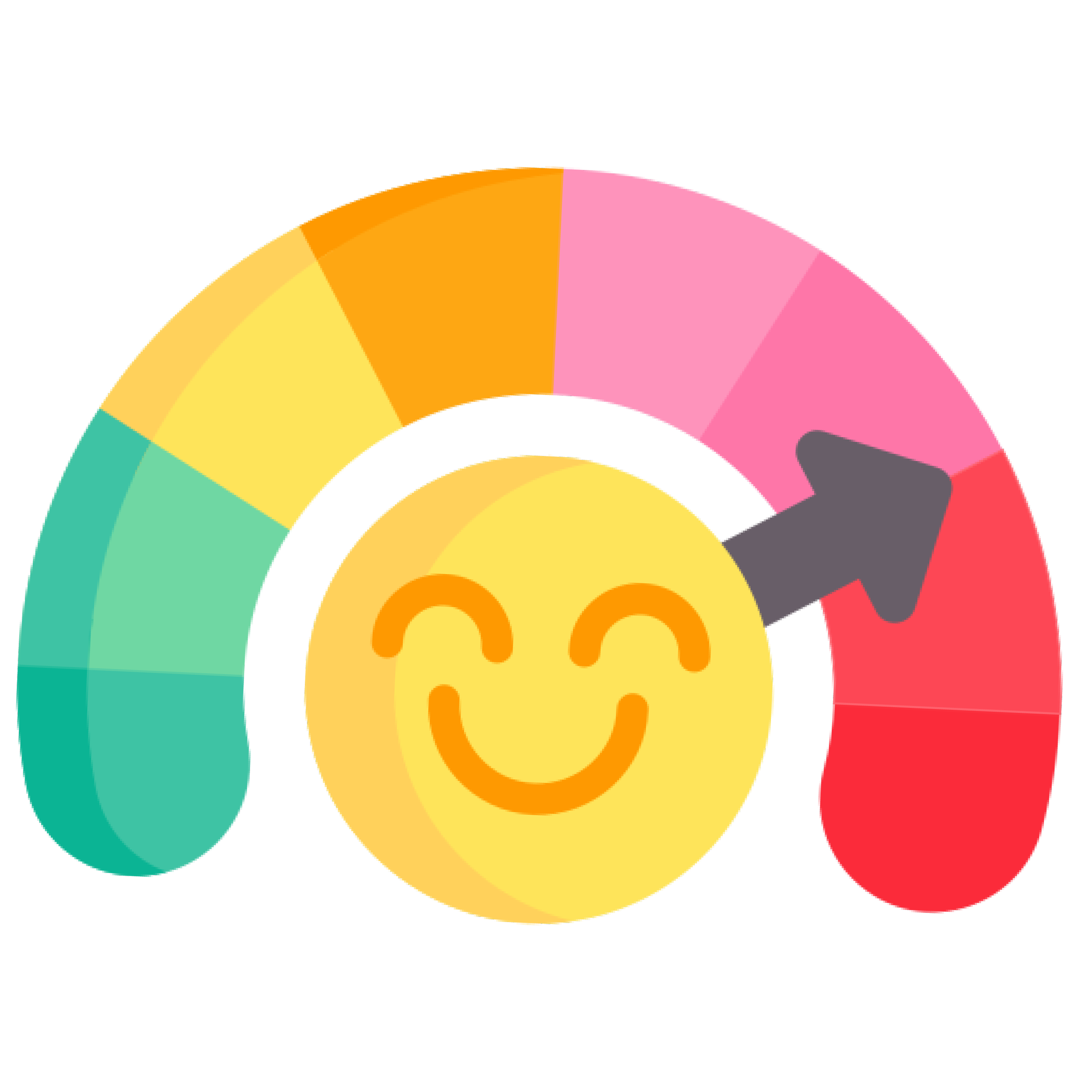
Use Visual Emotion Scales to
Help Children Identify and Express Feelings
Choose scales that reflect sensory-emotional integration—like Zones of Regulation or colour-coded thermometers that link feelings to body states. Offer multi-modal access: tactile versions (Velcro, sliders), digital formats, or laminated cards for portability across settings. Embed scales into routine check-ins (e.g., before transitions, after recess) to support proactive regulation. Teach co-regulation strategies alongside scales—like breathing visuals, movement prompts, or sensory toolkits.
Extra OT Tip: Use emotion scales as part of a “regulation station” with layered choices—e.g., “I’m in the yellow zone, I can choose a stretch, a sip of water, or a quiet space.”

SUCCESS STORY
One parent shared a beautiful shift in their morning routine after introducing a simple “feelings check-in” chart. Each day, before heading off to school, their child would pause to point to how they were feeling—choosing from emotions like happy, sad, worried, or excited. What started as a quick visual prompt soon became a meaningful moment of connection.
“It’s become part of our routine—and it’s helped us connect,” the parent explained. “Some mornings, my child chooses ‘worried’ and we talk about what’s on their mind. Other days, they pick ‘excited’ and we celebrate what they’re looking forward to. It’s helped me understand them better, and they feel heard.”
By creating space for emotional expression in a calm, predictable way, this family found that the check-in not only supported regulation but also strengthened trust. The child began to open up more regularly, and the parent felt more equipped to respond with empathy and support.
This story reminds us that small tools—when used consistently—can have a big impact. Whether it’s a laminated chart by the breakfast table, a feelings wheel in the car, or a quiet moment before school, these rituals help children feel seen, safe, and supported.
If you wish to try this out at home, download our free Feelings Check-In Chart today.