
Downloads and Resources
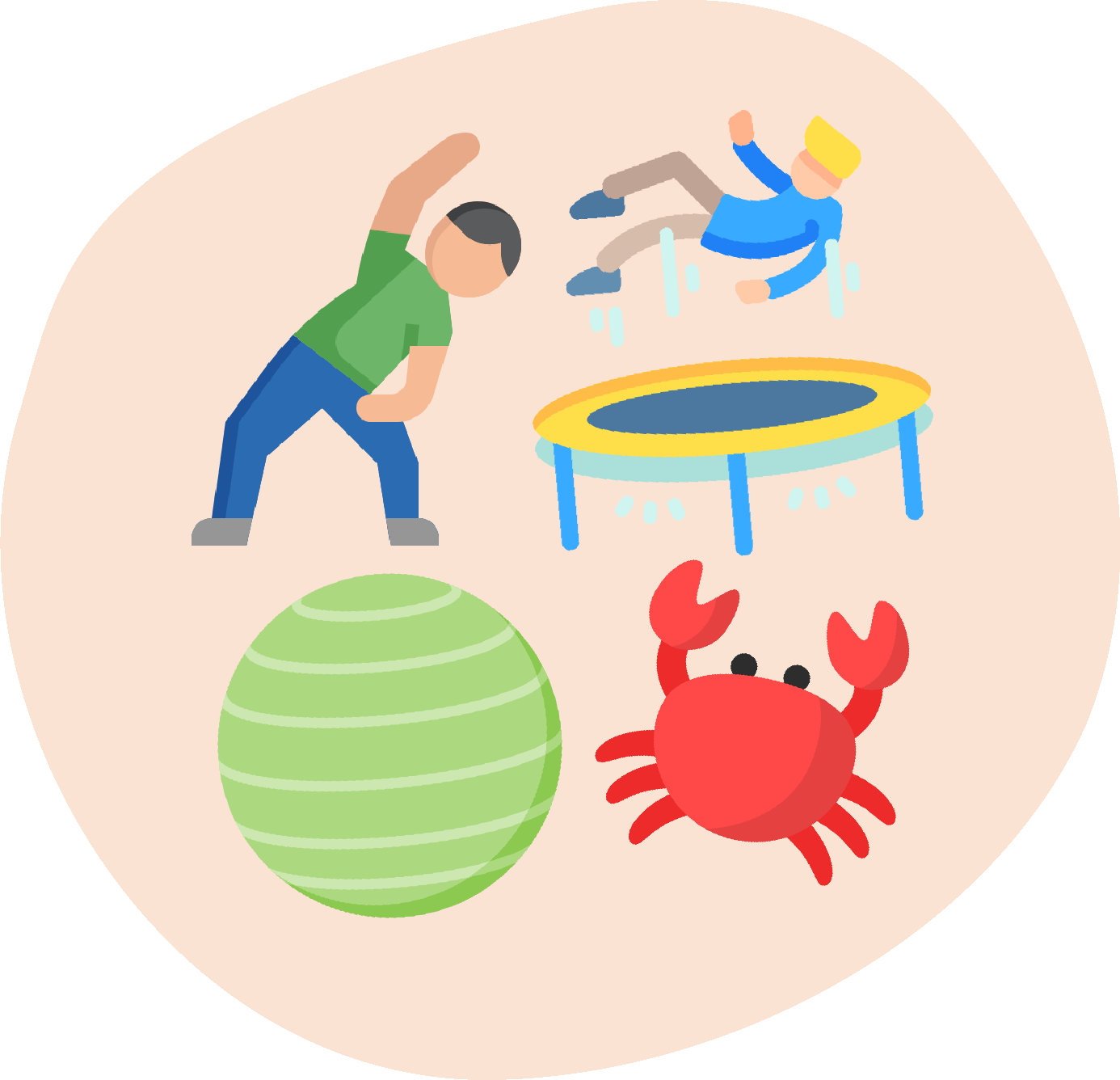
FUNCTIONAL MOVEMENT AND MOTOR SKILLS
This term, we’re spotlighting the role of movement in child development, from core strength and coordination to gross motor skills that support balance and confident movement in play and daily routines. Functional movement lays the groundwork for independence and confidence across all settings. Investing in your childs functional movement, ensures they build strength and can approach daily tasks with ease.
Children need strong, coordinated bodies to sit upright, use tools, navigate spaces, and participate in everyday tasks. When motor skills are supported through play and purposeful movement, children thrive socially, emotionally, and academically.

TIPS AND TRICKS FOR SCHOOLS
Here are a few simple ideas to support the students in setting and working towards their goals this year:
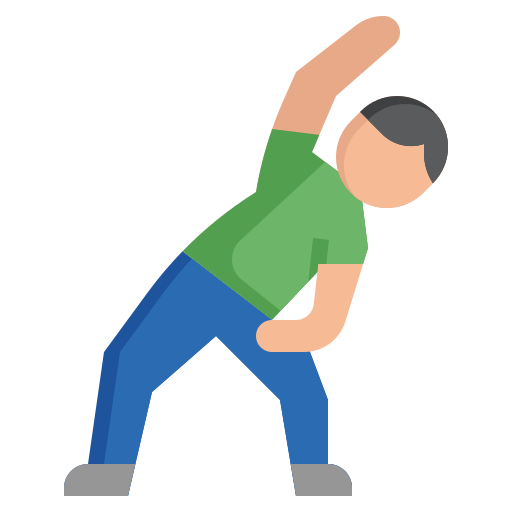
Movement Based Transitions
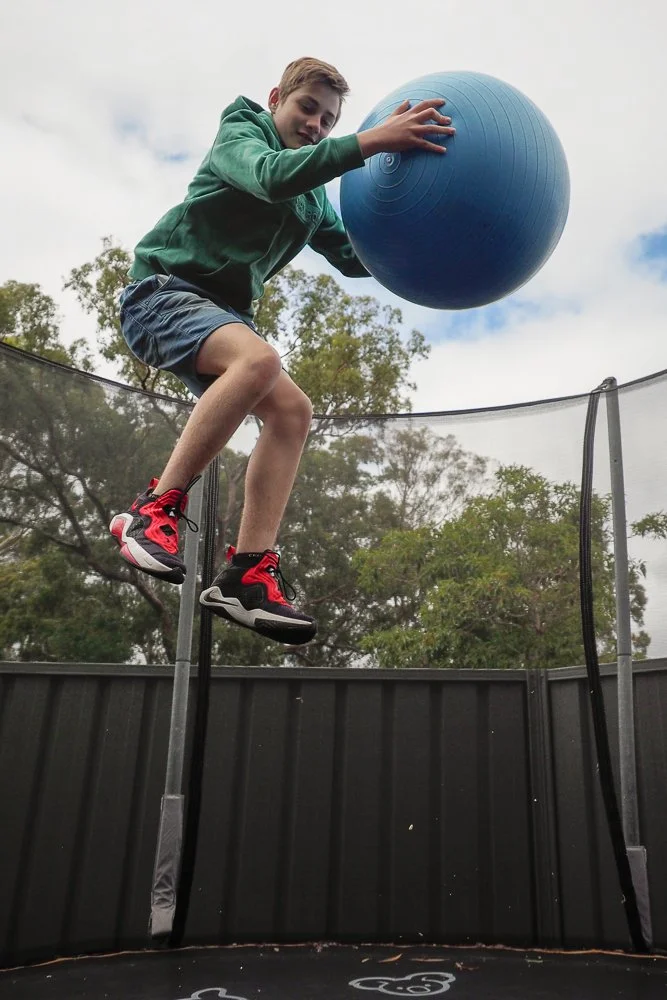
Include movement‑based transitions such as jumping, marching, or stretching between tasks to support regulation and body awareness. These quick bursts of movement help reset the nervous system, improve focus, and prepare the body for the next learning task.
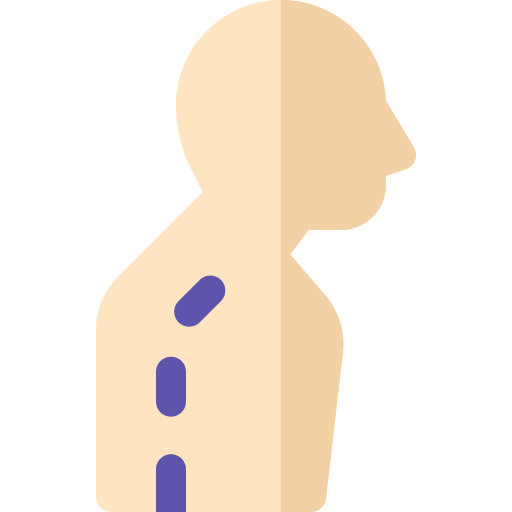
Observe Motor Fatigue
Observe for signs of motor fatigue such as slouching, reduced stability, avoidance of movement tasks, or difficulty maintaining posture. Early signs of fatigue can indicate that a child is working harder than expected to stay stable, and identifying this early helps ensure they receive the right support.

Gross Motor Stations
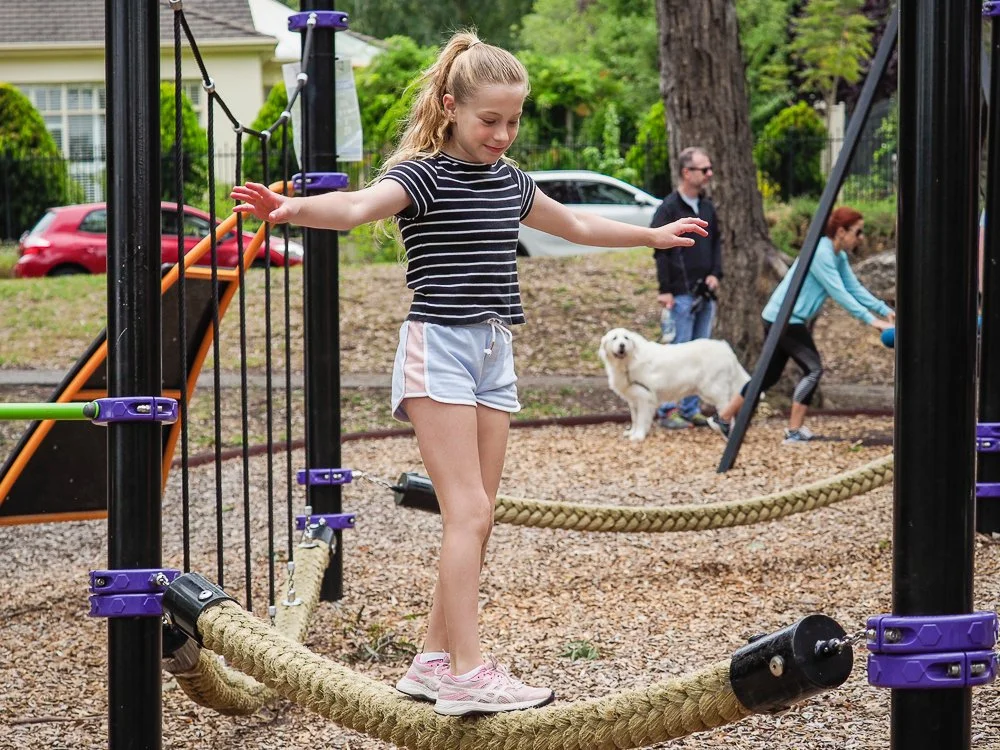
Offer gross motor stations with balance beams, climbing cushions, ball skills, and core‑strength activities. These stations build the strength, balance, and coordination children need for sitting, writing, navigating the classroom, and participating confidently in play.
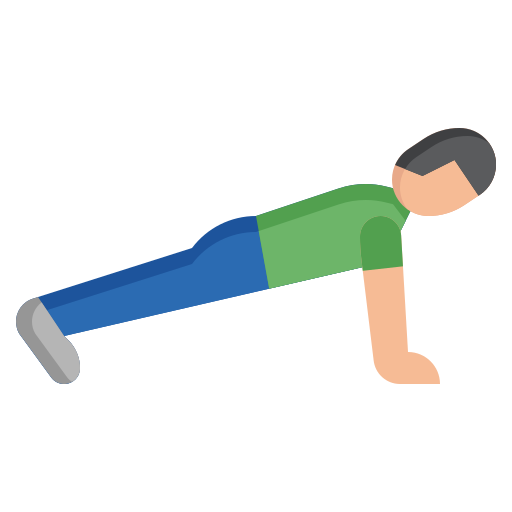
Whole-body Movement Breaks
Integrate short whole‑body movement breaks such as wall push‑ups, chair push-ups or pull-ups, or lifting bottoms off the ground and hold to help students reset their posture, improve focus, and maintain the core strength needed for seated learning.
OT ACTIVITY
GROSS MOTOR ACTIVITIES
Here are some great at home activities you can try that work on your child’s gross-motor skills.
Animal Walks
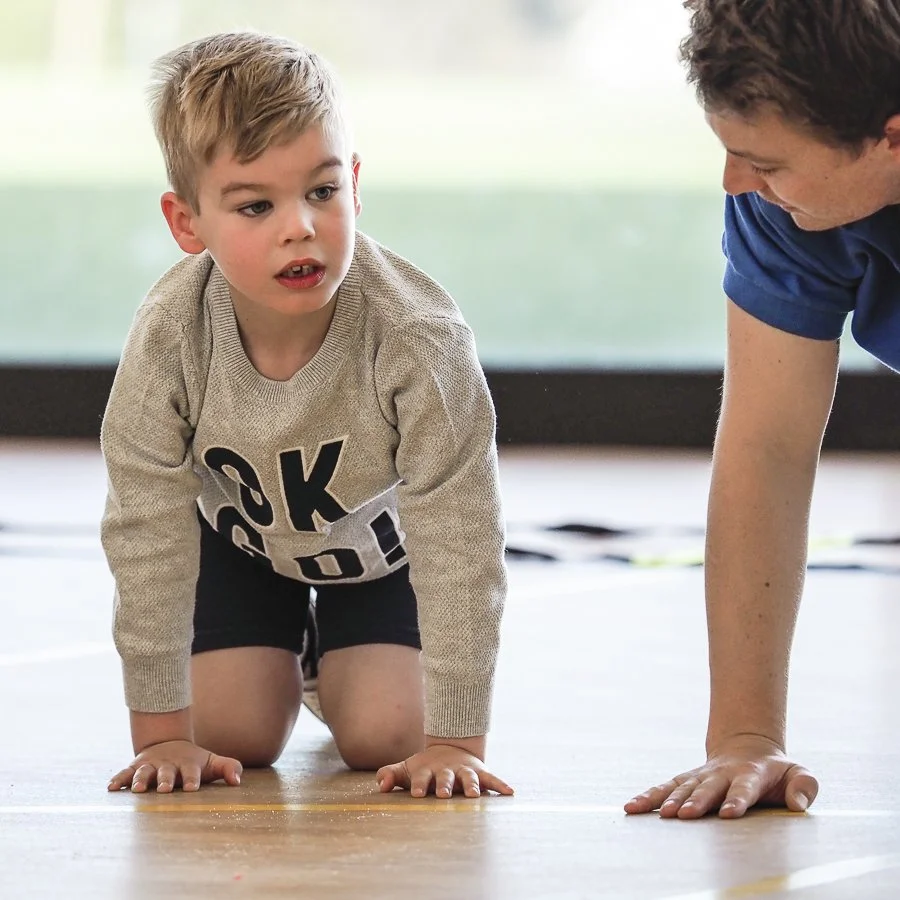
Practice animal walks (crab, bear, frog, etc.) with our Roll an Animal Resource to strengthen core muscles, improve bilateral coordination, and support postural control.
Large-scale Movements
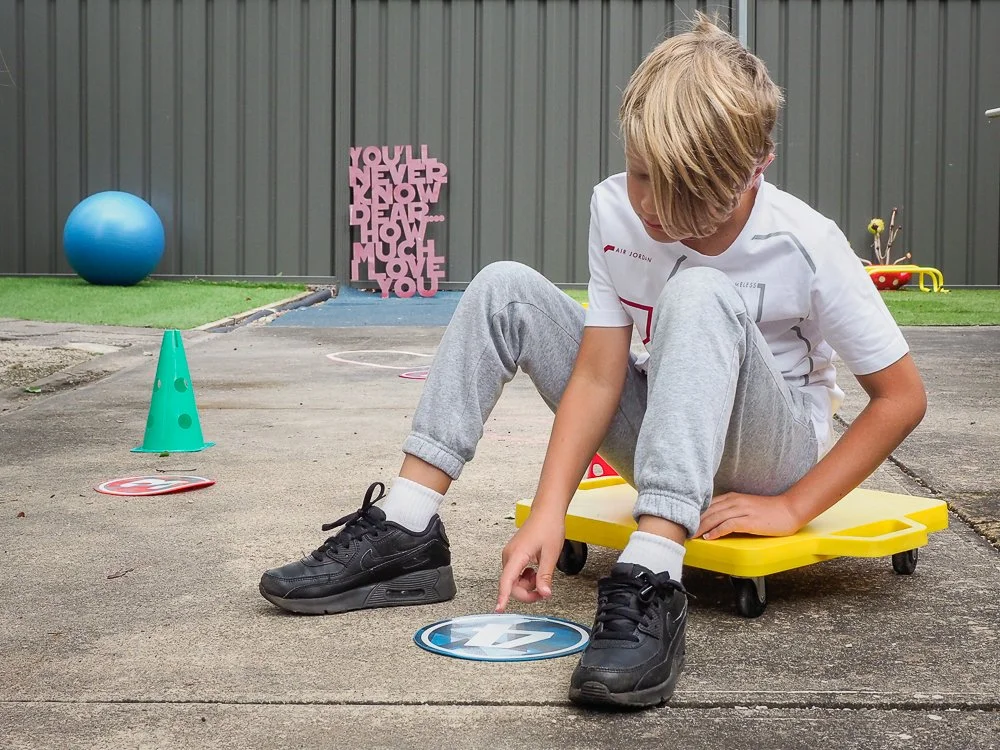
Use large‑scale movement tasks like beanbag throws, scooter‑board pushes, or ball‑rolling paths to develop shoulder stability, balance, and controlled movement.
Obstacle Course
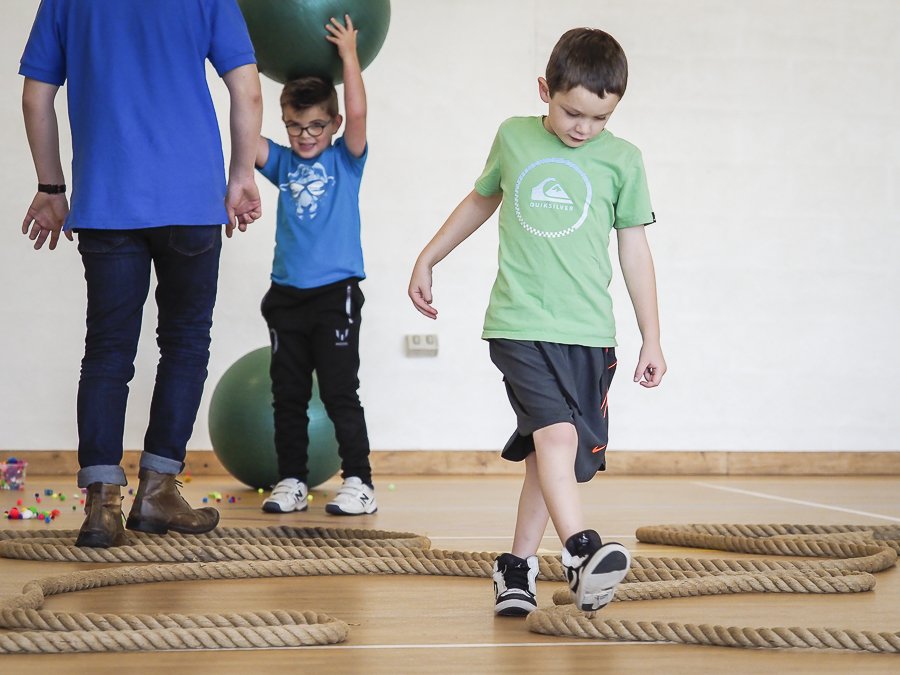
Set up a mini obstacle course using cushions, tunnels, and balance paths to build coordination, motor planning, and whole‑body strength.
CAREGIVER / PARENTS CORNER
What are Gross Motor Skills?
Gross motor skills are the body’s “base layer”, the strength, stability, balance, and coordination children need before they can use their hands with precision. When a child has a strong core, steady shoulders, and good postural control, their body can stay upright without effort.
This frees up the smaller muscles of the hands, fingers, and eyes to do more detailed work. In contrast, when gross motor skills are still developing, children often use extra energy just to stay stable, which can make fine motor tasks like handwriting, cutting, dressing, or using cutlery feel harder.
Fun Facts!
Core strength is the “engine room” of the body, without it, sitting still feels like holding a plank.
Kids learn balance through wobble with every stumble, sway, and near‑fall is the brain fine‑tuning its balance system.
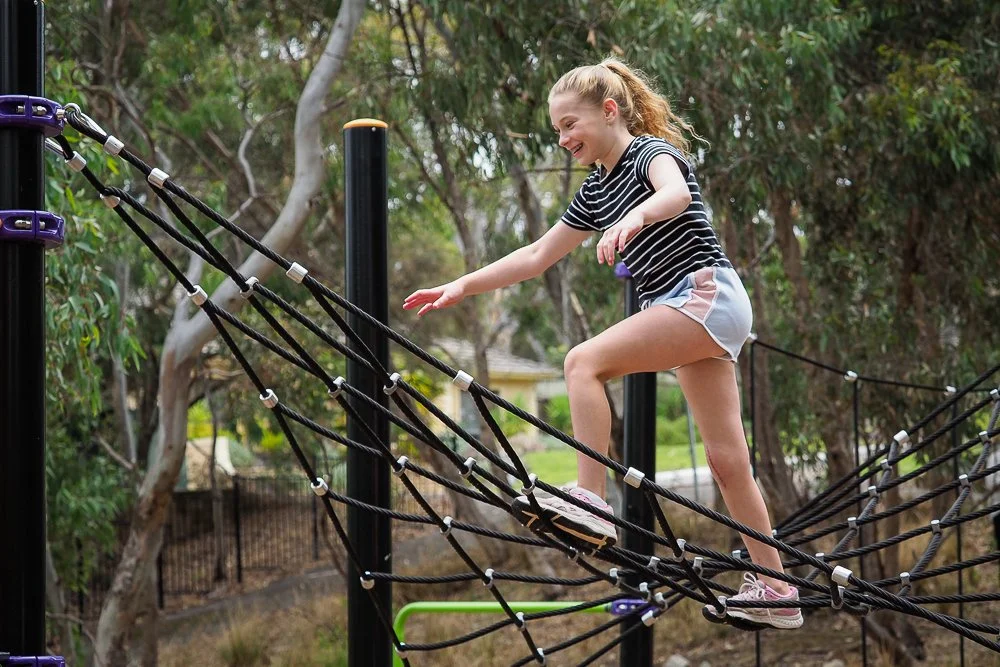
Climbing is brain food as it strengthens problem‑solving, spatial awareness, and confidence all at once.
Skipping is surprisingly complex as it requires rhythm, timing, bilateral coordination, and body awareness working together.
Movement boosts learning. Physical activity increases blood flow to the brain, helping with attention, memory, and emotional regulation.
Strong shoulders = better handwriting. Stable big muscles free up the small muscles for precision.
Kids need movement to stay regulated. Running, jumping, and spinning help organise the sensory systems that support calm, focused behaviour.
Playground play is therapy in disguise. Swings, slides, monkey bars, and climbing frames all build essential motor foundations while providing sensory integration and regulation.
SUCCESS STORY
One student with reduced balance and core stability participated in targeted gross‑motor practice, including obstacle courses, animal walks, and heel‑to‑toe walking along a taped line. Over six weeks, they showed improved postural endurance (able to maintain upright sitting for 10+ minutes vs. 3 minutes at baseline), increased balance accuracy (completing the heel‑to‑toe line with fewer than 2 step‑offs compared to 8 at baseline), and greater confidence joining movement‑based classroom activities.
FREE RESOURCES

OBSTACLE COURSE RESOURCE